Visit La Baule: 15 Things You Shouldn't Miss
The complete guide to what to see and do on the Côte d'Amour

The complete guide to what to see and do on the Côte d'Amour
From the famous nine-kilometre beach to the salt marshes of Guérande, by way of the Brière and the picturesque harbours of Le Croisic and Le Pouliguen, La Baule and the Côte d'Amour hold a remarkable range of landscapes and experiences. Here are the fifteen we would not miss, all tried and tested by our team. For more practical detail, see the website of theLa Baule-Guérande Tourist Office.
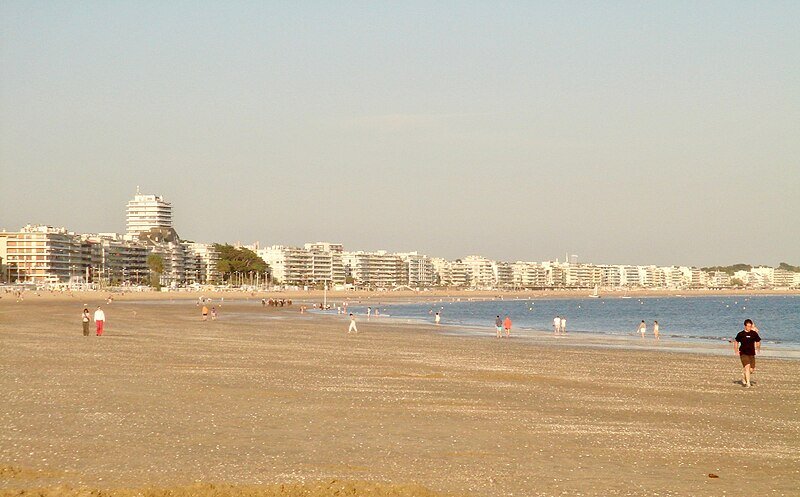
The bay of La Baule forms a nine-kilometre arc of fine sand, regularly named among the most beautiful beaches in Europe. Facing due south, it offers good conditions for swimming and watersports from May to October.
Lifeguarded in season, the beach has children's beach clubs, watersports areas and bathing huts. The Art Deco seafront gives the whole setting a character of its own.
We suggest settling on the Pouliguen end in the morning, while it is still quiet, before the crowd arrives around midday. In our experience it is also where the sand is finest.
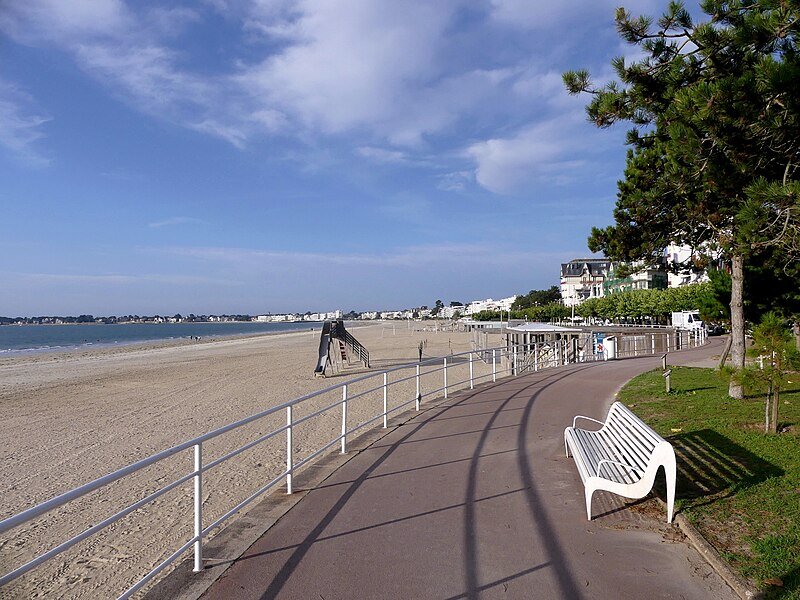
The Lajarrige promenade runs the full length of the bay, with a panoramic view over the ocean and the historic villas. It is a favourite for a walk or a cycle, punctuated by café and restaurant terraces.
The seafront holds most of the resort's life: the market, the shops, the casinos and the grand hotels follow one another along this landmark avenue.
Our advice: walk it late in the day, when the golden light catches the Art Deco façades. To our minds that is the best hour to be out along the sea wall.
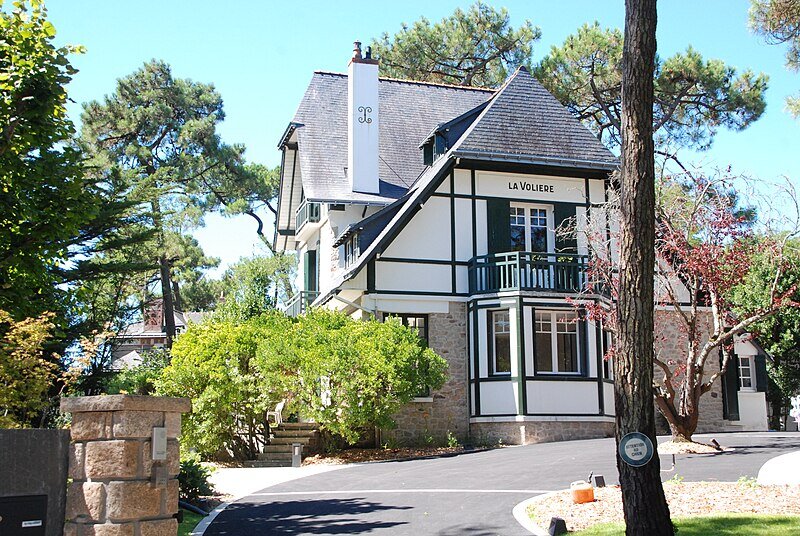
This residential quarter is an open-air museum of seaside architecture. Belle Époque and Art Deco villas, set among century-old pines, speak of the resort's golden age in the early twentieth century.
Wander the shaded lanes to take in façades in a range of styles: Norman, Anglo-Norman, Basque, neo-Gothic and Art Deco. Every villa has its own story and character.
What struck us most is how much architectural variety sits within a few streets. We would start on the avenue des Évens for the finest villas.
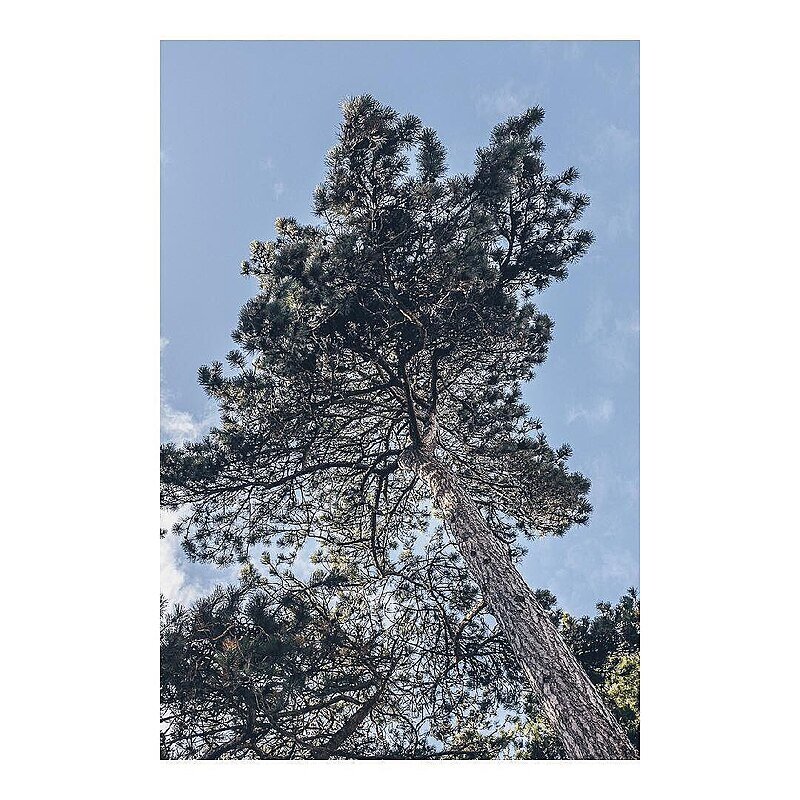
At the heart of La Baule-les-Pins, the Parc des Dryades is a pocket of calm and shade. Its century-old maritime pines, winding paths and flower beds make it a fine place to walk or simply sit.
The park also has playgrounds for children and makes a good starting point for exploring the quarter of historic villas.
We like this park especially on very hot days: the pines give welcome shade and the air is noticeably cooler than on the beach.
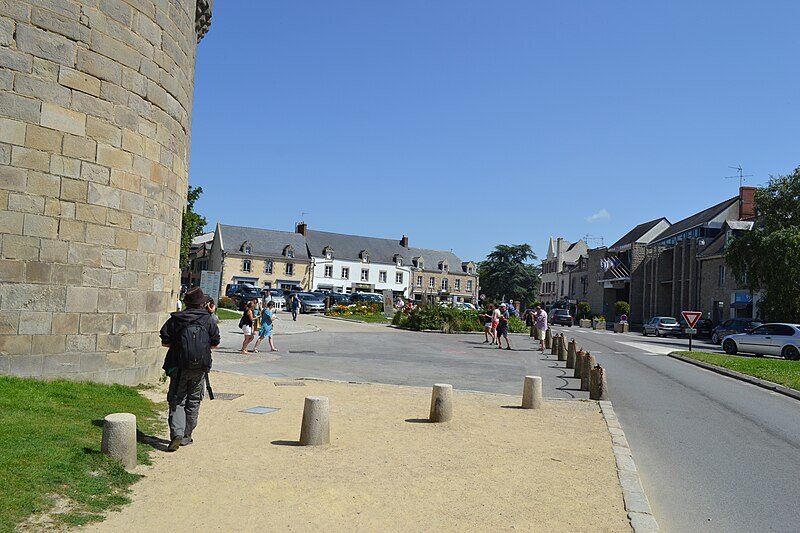
The covered market in La Baule is open all year and sells a good range of local produce: fresh fish, shellfish, cheese, Loire wines and the famous Guérande salt. In season the open-air market spreads along the avenue du Général-de-Gaulle.
It is the place to steep yourself in local food and to take something home: butter with Guérande salt, caramels, Breton biscuits.
We suggest going early, around 8am, for the best choice of fish and shellfish. The Saturday market is the liveliest, and also the busiest.
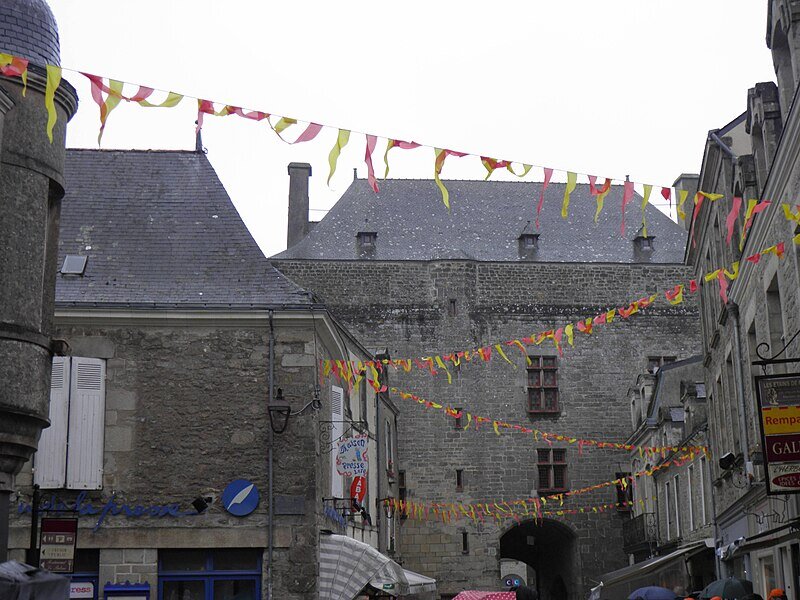
Ten minutes from La Baule, Guérande is one of the best-preserved medieval towns in Brittany. Its fifteenth-century ramparts, intact over 1.3 km, enclose a maze of cobbled lanes, half-timbered houses and old churches.
The Porte Saint-Michel, which houses the Pays de Guérande museum, gives a fine view over the salt marshes and the peninsula. Do not miss the Saint-Aubin collegiate church and its stained glass.
We would visit Guérande in the morning to avoid the summer crowds. Walking the full circuit of the ramparts takes about 45 minutes and offers some very good viewpoints.
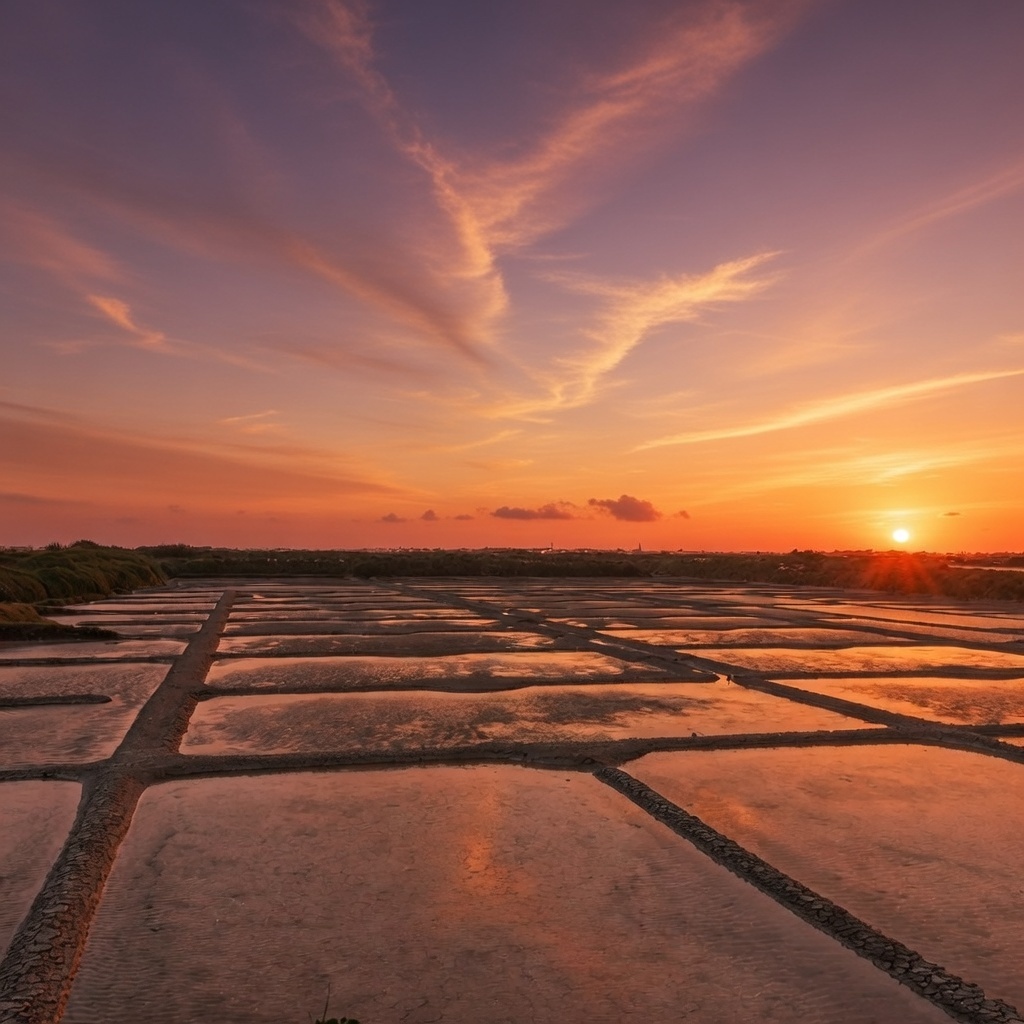
The Guérande salt marshes stretch over 2,000 hectares between La Baule and the peninsula. Since the ninth century, salt workers have harvested grey salt and fleur de sel by hand, using methods handed down through generations.
Visit Terre de Sel or the Maison des Paludiers to understand this singular craft. Terre de Sel is open from April to October, with adult entry at 10.50 euros. The marshes are also a striking natural sight, changing colour with the seasons and the tides.
Our advice: go in late afternoon, when the low light turns the marshes pink. Take binoculars for the wading birds that live in the pans.
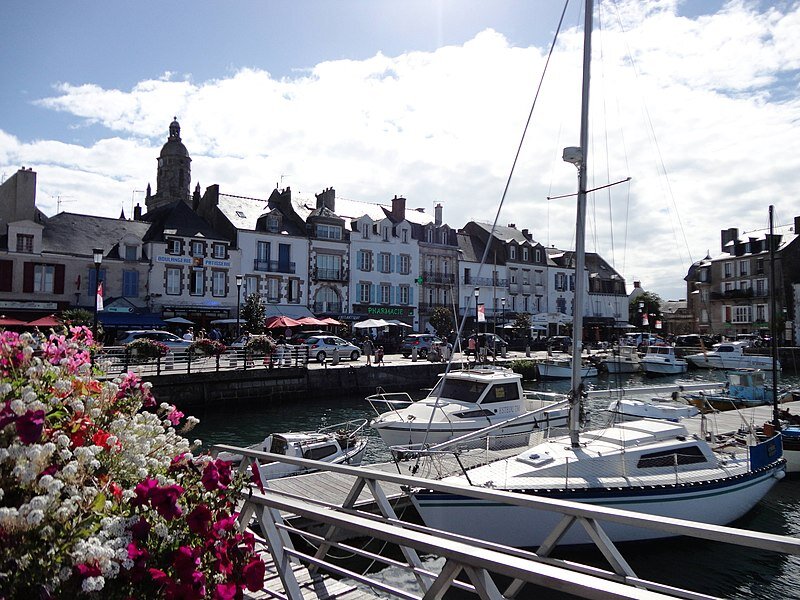
This small fishing harbour at the tip of the Guérande peninsula has kept all its character. Narrow lanes, captains' houses and a working fish market make it a village worth the trip.
TheOcéarium du Croisic is one of the best-liked aquariums on the Atlantic coast, with underwater tunnels and touch pools. It is open all year, with adult entry at 16.90 euros. The coastal path offers striking views over the wild coast.
We were pleasantly surprised by how much there is at the Océarium, which easily justifies two hours. For lunch, the restaurants around the harbour serve fish landed that morning.
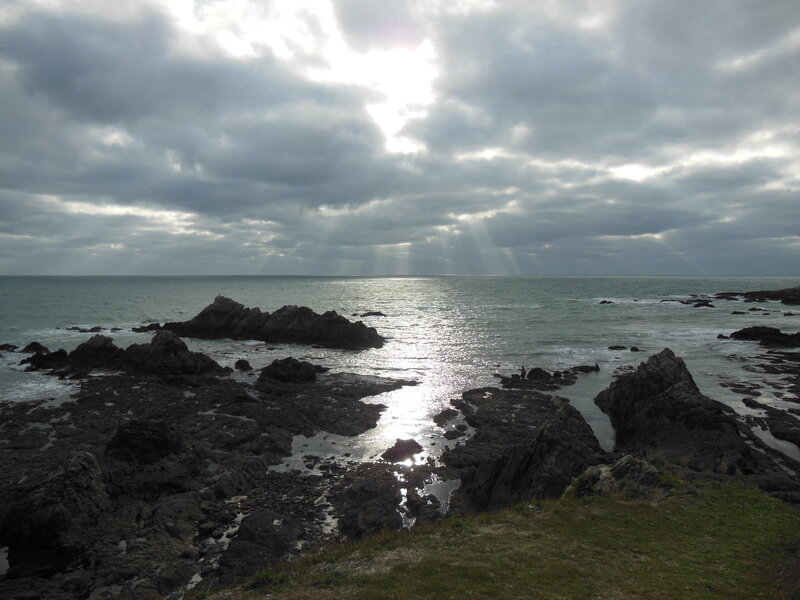
Le Pouliguen marks the western end of the bay of La Baule. This picturesque harbour is the starting point for the wild coast and its sea caves, carved by the ocean over thousands of years.
By boat or on foot along the coastal path, you can explore ragged cliffs, hidden coves and caves where the sea rushes in with a roar. A striking sight, particularly in rough weather.
We recommend walking the coastal path (about an hour and a half there and back): the views are magnificent and it costs nothing. Wear proper shoes, the path can be slippery.
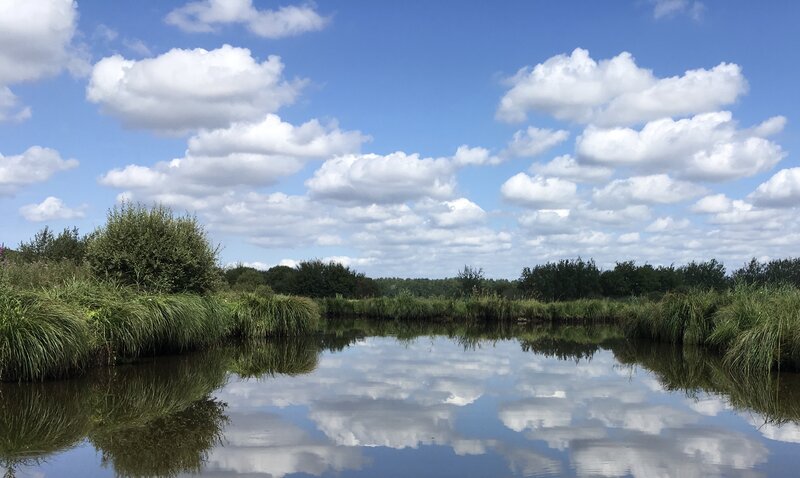
France's second-largest marshland after the Camargue, the Brière Regional Nature Park covers 49,000 hectares a few minutes from La Baule. It holds remarkable biodiversity.
Take a traditional flat-bottomed boat, a chaland, to see the channels, the reed islands and the wildlife: grey heron, marsh harrier, European otter. Thatched Brière villages complete the picture.
Our advice: take binoculars for the birds, and go early in the morning or late in the day to improve your chances of seeing wildlife. The boats leave from the Bréca landing.
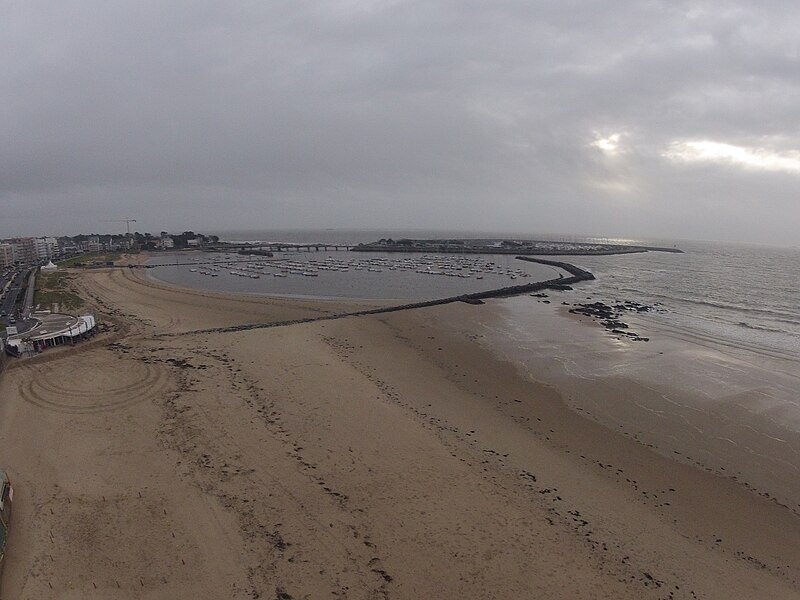
The neighbouring resort at the eastern end of the bay, Pornichet has a charm of its own, with a marina, three beaches and a well-regarded thalassotherapy centre. It is also known for its casino and its busy markets.
The deep-water harbour holds hundreds of yachts and has a genuine maritime feel. The restaurants around it serve seafood landed that day.
What we like about Pornichet is that it is more relaxed than La Baule. The Wednesday morning market, on the boulevard de la République, is particularly worth the detour.
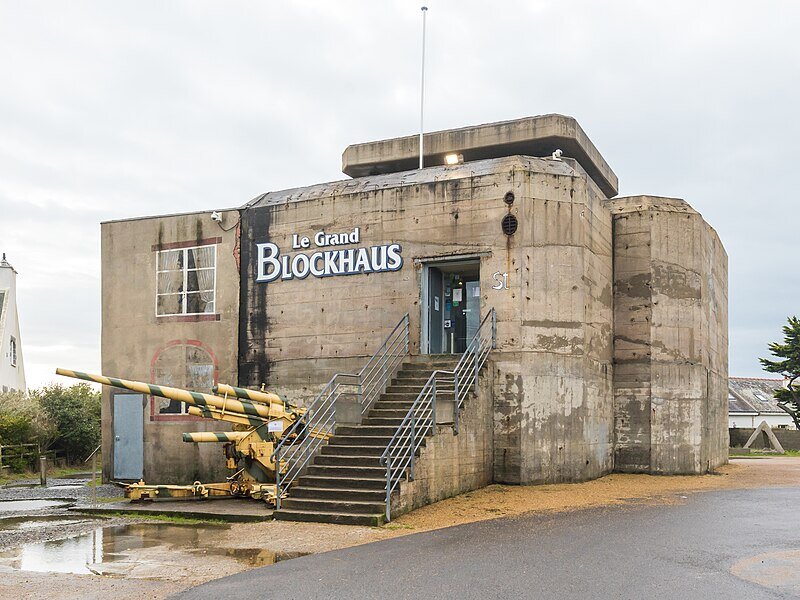
At Batz-sur-Mer, this bunker turned museum tells the story of the Atlantic Wall and the Saint-Nazaire Pocket (1944-1945). Across five floors you can see a reconstructed command post furnished with original objects.
The Grand Blockhaus sheds instructive light on a little-known chapter of the Second World War, when this region held one of the last German pockets in France. Open February to November, adult entry 8 euros. Allow about an hour and a half.
We found the museum particularly well researched and suitable for families. The reconstructions are carefully done and the display panels clear, even for younger visitors.
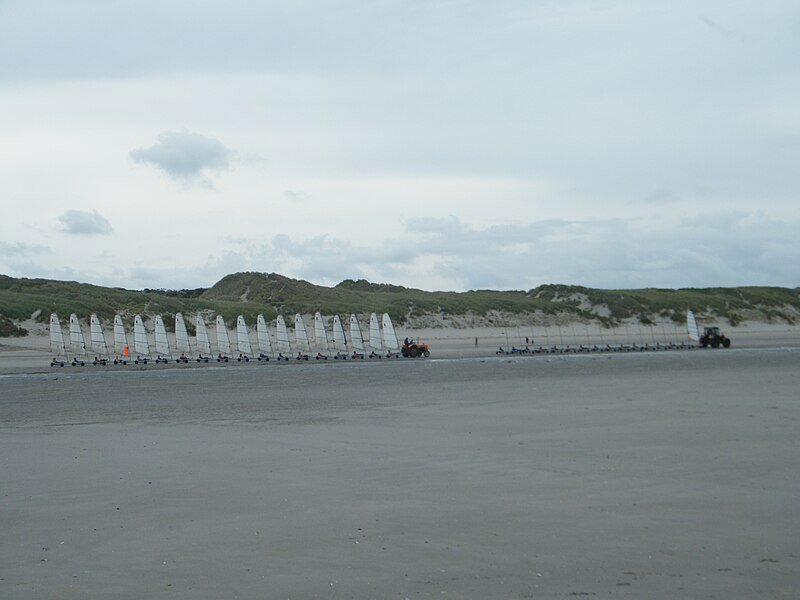
The bay of La Baule suits a wide range of watersports. Sailing, surfing, paddleboarding, sea kayaking, sand yachting: the schools and clubs run lessons and hire equipment for every level.
The La Baule yacht club holds regattas throughout the season. Wind and swell are especially good for kitesurfing and windsurfing at the western end of the bay.
We would suggest beginners start with a paddleboarding lesson, open to children from eight and a fine way to see the bay from a different angle. For kitesurfing, Pornichet beach has better wind.
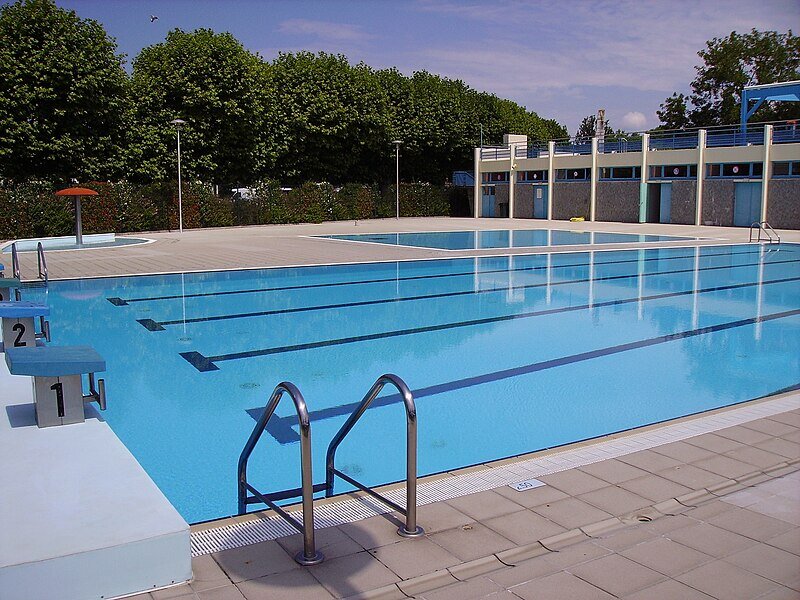
Aquabaule is a swimming and leisure centre with indoor and outdoor pools, slides, a whirlpool and a wellness area. A good fallback for families when the weather rules out the beach.
The wellness area includes a sauna, a steam room and a relaxation pool. Aqua-aerobics and swimming lessons run all year.
We think Aquabaule is an excellent option on a wet day, especially with children. The outdoor area with slides opens in summer and is a great hit with younger visitors.
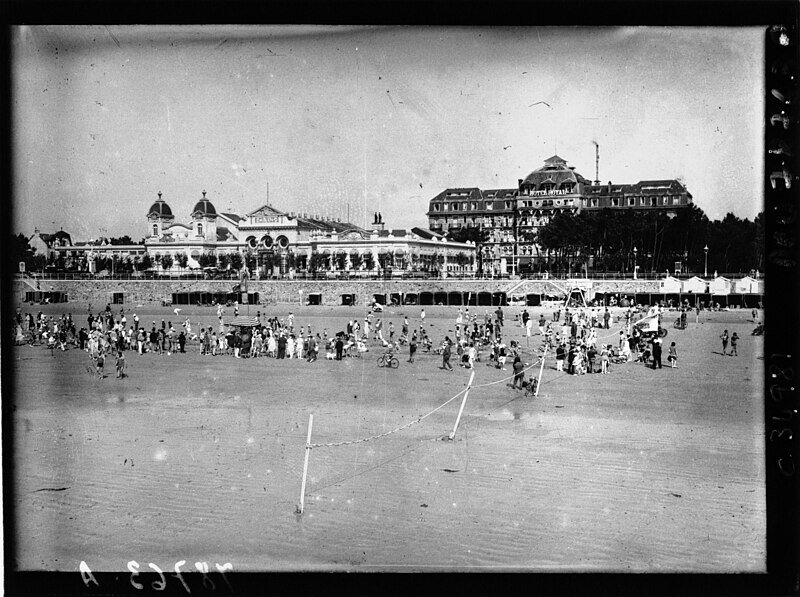
The Casino Barrière de La Baule, housed in an Art Deco building facing the sea, has slot machines, gaming tables, shows and restaurants. It has been a landmark of La Baule nightlife since the 1930s.
Beyond the gaming, the casino regularly hosts shows, concerts and themed evenings that keep the resort busy through the year.
Even if gambling is not your thing, it is worth a look for the Art Deco interior and the bar with its sea view. Bring photo ID to get into the gaming room.
The best time to visit La Baule is June to September, for the beach and the watersports. June is particularly good, with the Jumping International. Spring (April-May) and autumn (October) bring softer prices and a quieter mood, ideal for exploring Guérande and the Brière.
A direct TGV from Paris Montparnasse takes about 2 hr 30. By car, allow 4 hr 30 via the A11 then the N165/N171. The nearest airport is Nantes Atlantique (80 km), with shuttles and car hire available.
There is a great deal nearby: the medieval town of Guérande (10 min), the salt marshes, Le Croisic and its Océarium (15 min), the Brière Nature Park (20 min), Saint-Nazaire and its shipyards, and Nantes (1 hr 15).